A Plano homeowner once told us she planned to “just live with” the grinding noise her door made each morning. The sound got louder, then the door started to shake, and one afternoon, the opener stopped working during a storm. By the time she called us for garage door repair, the unbalanced door had stressed the opener and bent a track. What started as a small fix turned into a full-service visit with parts replacement. The bill was far higher than it needed to be, and the stress was worse than the cost.
This story is common. Small garage door problems begin quietly. A roller drags. A spring loses a little tension. A safety sensor gets bumped out of line. These issues might not stop the door at first, but they slowly wear out parts. Studies in the home repair industry show that most major breakdowns begin as minor issues that were not addressed. The longer you wait, the more damage spreads, and the more you pay later.
At Rayburn Garage Doors Co. in Plano, we teach a simple rule. If your garage door starts to look different, sound different, or move differently, it is time to act. Early attention protects your door, protects your opener, and protects your family. It is the least expensive path to a safe and reliable system.
Why Timely Garage Door Repair Matters More Than You Think
Your garage door is the largest moving system in your home. A complete system includes panels, hinges, rollers, tracks, springs, cables, drums, bearings, brackets, fasteners, weather seals, and an opener with electronics and sensors. These parts are designed to work together as one balanced machine. When one part fails, others take on extra stress. That stress becomes a chain reaction of wear and tear.
The hidden forces at work every time you press the button
When you click the remote, the opener does not lift the full weight of the door. Properly wound torsion springs store energy to counterbalance the door. If springs weaken, the opener must work harder. That extra load overheats motors, strips gears, and burns out logic boards. A simple spring issue can become a costly opener replacement if ignored.
Safety is not optional
A garage door is very heavy. Springs and cables hold serious tension. A failed cable can whip. A cracked bracket can snap. A misaligned track can pull a panel out of place. The risk is real for kids, pets, cars, and anyone walking near the door. Timely repair keeps these risks low and keeps your family safe.
Early Warning Signs You Should Not Ignore
Homeowners often tell us they were not sure whether a symptom mattered. These clear signs are your cue to schedule service soon.
New or louder noises
Grinding suggests metal-on-metal. Squealing often means dry rollers or hinges. Thumping or banging can mean the door is binding in the tracks. A gentle lube might help, but noises that keep returning signal a deeper issue.
Uneven movement
If one side of the door seems higher or the door shimmies as it travels, you may have worn rollers, a bent track, or an issue with the spring balance. Continued use in this condition strains the opener and can bend panels.
Slower operation or hesitations
A door that pauses or moves more slowly than usual may be out of balance or may have a failing opener. The opener tries to save itself by stopping and starting. That is a built-in warning. Do not wait for a total stop.
Reversing the door or the door that will not close
If the door comes down and then goes back up, sensors may be misaligned or dirty, or the closing force might need adjustment. Never bypass sensors. They protect your family and your car.
Visible wear
Look for frayed cables, rusty springs, cracked hinges, broken weather seals, loose bolts, or egg-shaped roller bearings. Any visible damage means the door needs inspection.
The Real Costs of Waiting: What Neglect Does to Your System
Ignoring a small problem almost always costs more in the long run. Here is a realistic look at how costs grow.
From a minor repair to a full replacement
Replacing a worn roller or adjusting a spring is quick and affordable. Let the issue linger, and the door may jump the track and bend a panel. A single bent panel on some doors requires replacing multiple sections to match the profile and color. That can turn a small repair into a new door expense.
Motor and board damage in the opener
Openers are designed for balanced doors. When a door is heavy because springs are weak or the track binds, the motor overheats, and the control board struggles. Replacing a logic board or drive gear assembly is more expensive than restoring balance early.
Structural and cosmetic damage
A door that slams closed or stops crooked can crack paint, crush weather seals, and deform the bottom seal retainer. Over time, you lose insulation value, you get drafts and water seepage, and the door looks tired. Curb appeal suffers, and home value can drop.
Liability and safety events
If a door falls or a spring breaks and someone gets hurt, the financial and emotional costs are far worse than any maintenance bill. Regular inspection limits those risks.
How Maintenance Saves Money and Extends Lifespan
Think of maintenance as a tune-up. Your car needs oil, filters, and inspections. Your garage door needs the same level of care to stay reliable.
What a professional tune-up includes
- Thorough inspection of hinges, rollers, tracks, brackets, and fasteners
- Spring and cable evaluation with balance testing
- Opener force and travel checks, safety sensor alignment, and photo eye cleaning
- Lubrication of moving parts with the correct product
- Tightening of hardware and correction of minor misalignments
- Weather seal assessment for gaps, cracks, and water leaks
This careful process prevents surprises and keeps the system quiet and smooth.
The balance test you can try safely
With the door down, pull the opener release cord. Lift the door halfway with both hands. A properly balanced door stays in place. If it falls or rises on its own, the balance is off. Do not adjust springs yourself. Springs hold serious tension. Call a trained technician.
Seasonal maintenance in Plano
Plano heat dries seals and can thin lubricants. Storms push water against the door and blow debris into tracks. A quick seasonal check improves reliability. Clean the photo eyes. Brush dust from tracks. Wipe the weather seal and look for daylight at the corners. A small touch now avoids a big fix later.
Component Lifecycles: When to Expect Wear and What To Do
Knowing the typical service life of key parts helps you plan.
Springs
Most standard torsion springs are rated for a set number of cycles. A cycle is one open and one closed. Busy households can use thousands of cycles per year. When springs near the end of their life, they may squeak, the door may feel heavy, or the opener may strain. Replace both springs if the system uses a pair, so the balance stays even.
Cables and drums
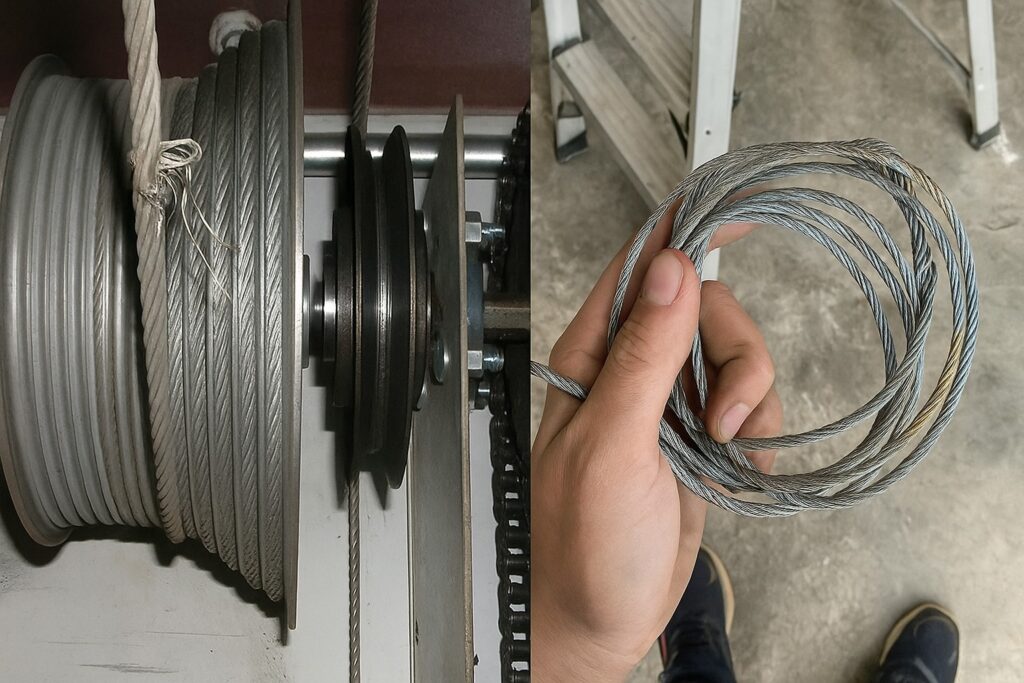
Cables can fray where they wind on the drum. Rust weakens cable strands. If you see fraying or kinks, schedule service now. A snapped cable can let the door drop unevenly and bend hardware.
Rollers and hinges
Nylon rollers provide smooth and quiet operation, but do wear over time. Look for flat spots or wobbles. Hinges can crack around screw holes when the door is out of alignment. Replacing a few rollers and hinges is quick, inexpensive, and instantly improves door motion.
Tracks and brackets
Tracks should be straight and firmly anchored. A car bump, a ladder strike, or foundation movement can bend a track or loosen lag screws. Do not force the door if it binds. Forcing it risks a complete derail and bent panels.
Openers and electronics
Modern garage door openers have sensors that stop the door when something is wrong. If yours stops and blinks, it is asking for help. Do not increase force limits to make a binding door run. Fix the root cause instead.
DIY Jobs You Can Do vs Jobs You Should Not
A little homeowner care goes a long way. Some tasks are safe and helpful. Others are best left to professionals.
Safe homeowner tasks
- Wipe and lightly clean the tracks.
- Lubricate metal hinges and rollers with a garage-door rated lubricant. Avoid greasing the tracks.
- Clean and align the photo eyes. Make sure both sensor lights are solid.
- Replace the remote and keypad batteries.
- Inspect weather seals and vacuum debris near the bottom seal.
Tasks for trained technicians
- Spring adjustments and replacements.
- Cable replacements and drum work.
- Track straightening and heavy realignment.
- Opener force, travel, and internal repairs.
- Panel replacement and major structural fixes.
If a job involves tension, weight, or electricity, keep yourself safe and call a pro.
Practical Tips to Avoid Emergency Breakdowns
A few smart habits help you stay ahead of trouble.
- Listen once a month: Stand in the garage while the door cycles. A smooth door sounds steady and even. New noises are early warnings.
- Watch the movement: The door should travel straight without shaking. The opener chain or belt should move smoothly without jerks.
- Check the safety reverse: Place a short wood block like a scrap 2×4 flat on the floor under the door. Close the door. It should touch and reverse. If not, stop using the door and schedule service.
- Keep sensors clear: Photo eyes should be about six inches off the floor and aimed at each other. Tighten loose brackets and clean dusty lenses.
- Protect the space around the tracks: Avoid leaning tools or bikes on the track or against the door. One bump can bend a track or pinch a cable.
Energy Efficiency and Weather Protection
A well-maintained door saves energy and keeps the garage more comfortable.
Insulation and seals
Modern insulated panels help regulate temperature. But if the bottom seals crack or the side seals pull away, hot air and dust get in. Replace worn seals to reduce drafts and protect stored items, tools, and your car’s finish.
Water control
Plano storms can push water under a worn bottom seal. If you notice damp spots, check the seal and the concrete threshold. A fresh seal and a simple threshold kit can redirect water away from the garage.
Security and Smart Features That Depend on a Healthy Door
Security depends on a door that closes properly and stays locked.
Auto close and alerts
Many smart openers offer auto-close timers and phone alerts. These features are only reliable when the door moves freely, and sensors are aligned. If your smart app shows frequent interruptions or open alerts, it may be sensing resistance. Address the mechanical cause rather than ignoring the notifications.
Manual release practice
Know where the red release cord is and how to use it safely. Teach responsible family members how to lift the door in a power outage. Practice when the door is healthy so you are prepared.
What To Expect During a Professional Service Visit
Homeowners feel more confident when they know the steps. Here is our typical process at Rayburn Garage Doors Co.
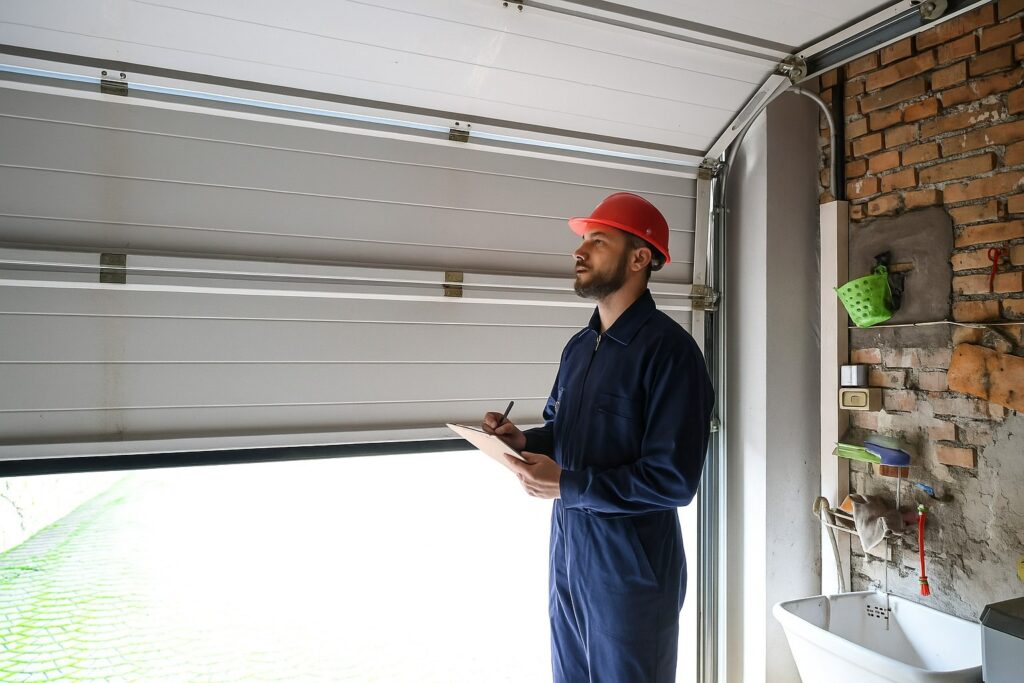
- Conversation and inspection: We ask about symptoms, sounds, and recent changes. We check hardware, tracks, rollers, springs, cables, brackets, opener settings, sensors, seals, and balance.
- Clear explanations: We show what we found. We explain what must be fixed now for safety and what can be planned for later. We talk about options and parts quality for your brand and model.
- Written estimate: We provide transparent prices before any work begins. No surprises.
- Precision repairs: We complete the work, lubricate moving parts, tighten hardware, and reset opener force and travel as needed.
- Testing and education: We run multiple open and closed cycles, test safety reverse, and review care tips so you can keep the door in good condition.
How To Choose a Quality Garage Door Company
Picking the right partner protects your investment.
- Local presence: A true local company understands Plano home styles, common building materials, and local weather patterns.
- Skilled technicians: Look for trained and experienced technicians who work with all major brands and openers.
- Quality parts: Better springs, rollers, and hardware last longer. Ask about part quality and warranties.
- Clear communication: Good companies explain findings and provide options. They answer questions and respect your budget.
- Safety first: Professionals test safety systems on every visit and never suggest bypassing sensors.
Real-Life Examples From Plano Homes
- The case of the slow door: A homeowner noticed the door moved slowly and paused halfway. We found weak springs and dry rollers. After replacing the springs and installing premium nylon rollers, the door ran smoothly, and the opener stopped overheating. The total cost was far less than a new opener.
- The mystery of the morning clunk: Another family heard a clunk at the top of travel each morning. We traced it to a loose top bracket and a slightly bent hinge. Tightening fasteners, replacing the hinge, and tuning opener travel removed the clunk and stopped a small problem from becoming a cracked panel.
- The stubborn sensor: A garage with frequent dust from a nearby home project had sensors coated in fine powder. Cleaning the lenses and swapping brittle wire for new low-voltage cable solved the intermittent reversal that had frustrated the owners for weeks.
These simple fixes became big wins because the homeowners acted before the issues grew.
A Homeowner Checklist You Can Print
Use this quick monthly checklist to stay ahead.
- Look at both sides of the door for frayed cables or loose bolts
- Listen for new sounds while the door opens and closes
- Watch for shaking or uneven travel
- Wipe the photo eyes and confirm both lights glow solid
- Inspect the bottom seal for cracks or daylight leaks
- Keep items away from the tracks and the door path
- Replace remote and keypad batteries once a year
- Schedule professional maintenance annually
Tape this list near the door to the house so it is easy to find.
When It Is Time To Consider a New Garage Door
Sometimes replacement is the smarter choice. Consider a new door when:
- Multiple panels are cracked or badly dented
- Wood rot or rust is widespread
- Repairs cost more than half the price of a quality replacement
- You want better insulation, a quieter system, and stronger security
- Your opener lacks modern safety and smart features
A new garage door can improve curb appeal, reduce noise, save energy, and increase home value. Our team can show style, material, and insulation options that fit Plano homes and neighborhoods.
Frequently Asked Questions (FAQs)
1. How long does a typical garage door repair appointment take?
Most standard garage door repairs can be completed within one to two hours, depending on the complexity of the issue. More extensive problems, such as replacing torsion springs or installing a new opener, may take up to half a day for a thorough and safe repair.
2. How often should I replace my garage door opener?
A garage door opener usually lasts about 10 to 15 years with proper maintenance. However, if you notice frequent malfunctions, loud operation, or outdated safety features, upgrading to a newer model with smart technology and better security may be worthwhile sooner.
3. Is it safe to use my garage door if one spring is broken?
No, operating your garage door with a broken spring is unsafe. It forces the opener to lift the full weight of the door, which can cause severe damage to the motor or even make the door collapse unexpectedly.
4. What is the average lifespan of a garage door system?
With proper care, lubrication, and annual maintenance, a garage door system can last 20 to 25 years. Regular inspections and timely repairs are essential to reach that full lifespan without costly replacements.
Final Thoughts: Small Repairs Today Prevent Big Problems Tomorrow
A healthy garage door is quiet, smooth, and safe. The easiest way to keep it that way is to act early. If anything sounds different, looks different, or feels different, schedule a visit. Quick attention keeps costs low, keeps your door balanced, and keeps your family safe. Your garage door works hard for your home every single day. With regular maintenance and prompt care, it will serve you well for many years.
How Can Rayburn Garage Doors Co Help You?
If you are hearing new noises, seeing uneven movement, or dealing with a door that will not close, our skilled technicians are ready to help with fast, friendly, and reliable service. We provide complete garage door repair, opener service, installation of new garage doors, and preventive maintenance for homes and businesses throughout Plano and nearby communities.
Address: 4600 TX-121, Plano, TX 75024, United States
Phone: (469) 414-3265
Contact us today to schedule an appointment or request a thorough inspection. Our expert team will restore the safety, performance, and appearance of your garage door so you can get back to your day with confidence.
- Advanced Garage Door Troubleshooting: When Basic Fixes Don’t Work
- The Cost of Ignoring Garage Door Repairs: What Homeowners Should Know
- How to Choose Reliable Automatic Garage Doors in Plano, TX
- How to Find Reliable Garage Door Opener Repair Services in Plano, TX
- How to Find Reliable Garage Door Tune-Up Services in Plano, TX